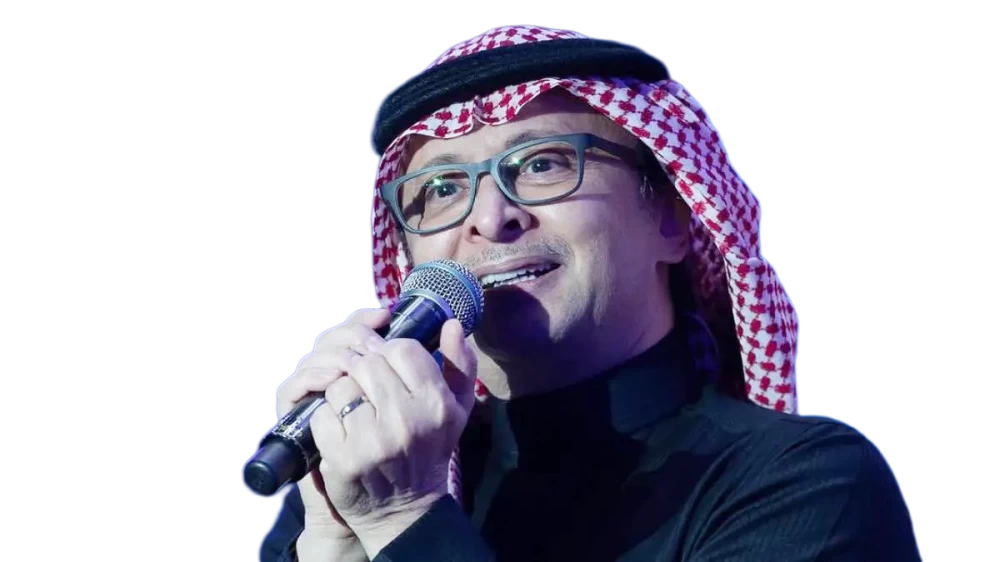
أحاول، والكثيرون مثلي، استيعاب الانفجار الغنائي للفنان عبدالمجيد عبدالله، الذي تمخض عنه 21 أغنية! هل يبدو لقامة بحجمه أمراً منطقياً؟ شخصياً أراه قراراً عشوائياً مثل من يرمي عشرات السهام ليصيب هدفاً واحداً وبسهم واحد! قد أتفهم ذلك لفنان شاب واعد يتلمس أطراف الوصول، لكن أن يأتي بها عبدالمجيد عبدالله بكل تاريخه فتلك – برأيي الشخصي – إغراق لا يحتمله سوق الأغنية الجديدة، وثورة أغنيات الذكاء الاصطناعي التي تمددت في أسماع الأرض شرقاً وغرباً. عبدالمجيد عبدالله، بعد عقود من صناعة أغنيات استقرت في الوجدان الخليجي والعربي، يقف اليوم في هذه المنطقة تحديداً، حيث لم يعد السؤال: كم أغنية يستطيع أن يقدم؟ بل: أي أغنية تستحق أن تضاف إلى تاريخه؟ من هنا يمكن قراءة ألبومه الجديد 2026، فالوفرة التي يقدمها العمل تبدو للوهلة الأولى دليلاً على نشاط فني ورغبة في منح الجمهور مساحات متعددة، لكنها تكشف مع الاستماع سؤالاً أكثر تعقيداً يتعلق بمعيار الانتقاء. كثرة الأغنيات لا تتحول تلقائياً إلى ثراء، مثلما أن تعدد الأسماء والتجارب داخل الألبوم لا يصنع بالضرورة تنوعاً حقيقياً. فعبدالمجيد الذي نهضت أغنيات سابقة وقديمة له وبسطت حضورها من جديد، مثل «تخيل» و«طائر الأشجان» كان في غنى عن هدر فني مبالغ فيه لا يمنح أعماله فرصة الاستماع، ولا وقت البقاء والصمود في ظل تسارع وتنوع المحتوى الفني وتنوع جمهوره وتعدد مصادره. عبدالمجيد يمتلك ميزة قد تتحول إلى عبء على تجربته: صوته قادر على منح الأغنية أكثر مما تمنحه الأغنية أحياناً. هو يعرف كيف يرفع جملة عادية بأدائه، وكيف يمنح مفردة مألوفة شيئاً من خصوصيته، وكيف يستخدم المساحة بين الكلمات كجزء من الغناء. وهذه قدرة صنعت كثيراً من تفرده، لكنها تجعل عملية الاختيار أكثر حساسية، لأن جمال الأداء قد يخفي للحظة محدودية الفكرة، لكنه لا يستطيع ضمان عمرها. وهنا يقع الفارق بين أغنية تُسمع وأغنية تبقى. في ألبوم بهذا الحجم، تبدأ الأغنيات في منافسة بعضها بدلاً من أن تتكامل. تتقدم واحدة، ثم تأتي أخرى قبل أن تستقر الأولى، وتتراكم الخيارات حتى يفقد الألبوم شيئاً من ملامحه بوصفه مشروعاً واحداً. يصبح أقرب إلى مكتبة واسعة من الأغنيات منه إلى حالة فنية لها مزاج واضح ومسار يمكن الإمساك به. وهذه ليست أزمة عبدالمجيد وحده، بل إشكالية فرضتها صناعة الموسيقى الحديثة، إذ أصبحت وفرة المحتوى وسرعة الاستهلاك تضغطان باتجاه المزيد. غير أن الفنان صاحب التاريخ الطويل يفترض أن يكون أكثر قدرة على مقاومة هذا الإغراء، لا أكثر استجابة له، وهو ما وقع مع عبدالمجيد. المسألة ليست أن ألبوم 2026 يحتوي على أغنيات كثيرة، بل أن هذه الكثرة ترفع سؤالاً حول ما كان يمكن الاستغناء عنه. فالعمل الفني الكبير لا يُقاس دائماً بما أضيف إليه، بل تكمن قيمته في الأشياء التي امتلك صاحبه شجاعة استبعادها. كان يمكن لألبوم أقل عدداً، وأكثر صرامة في الانتقاء، أن يمنح أغنياته مساحة أكبر للتنفس، وأن يترك للمستمع فرصة تكوين علاقة معها، بدلاً من دفعها جميعاً إلى سباق واحد على ذاكرته. وفي النهاية، عبدالمجيد «كب العشا» بكل مكوناته، على أنه لا يعاني أزمة ظهور ولا ضعف حضور ولا شح جماهيرية، وكان عليه أن يحمي تاريخه من فائض إنتاجه. ووسط هذا الزحام، يبقى السؤال: كم أغنية سيتلذذ بها الجمهور المتشبع في كومة هذا العشاء الدسم؟
I, along with many others like me, am trying to comprehend the musical explosion of artist Abdul Majid Abdullah, which has resulted in 21 songs! Does it seem logical for someone of his stature? Personally, I see it as a random decision, akin to someone throwing dozens of arrows to hit a single target with just one arrow! I might understand this from a promising young artist who is still finding his way, but for Abdul Majid Abdullah, with all his history, this is – in my personal opinion – an overload that the new song market cannot bear, especially with the revolution of artificial intelligence songs that have spread across the world, east and west. Abdul Majid Abdullah, after decades of creating songs that have settled in the hearts of Gulf and Arab audiences, stands today in this very spot, where the question is no longer: how many songs can he present? But rather: which song deserves to be added to his history? From here, we can read his new album 2026, as the abundance presented in this work seems at first glance to be evidence of artistic activity and a desire to offer the audience multiple spaces. However, upon listening, it reveals a more complex question related to the criterion of selection. The abundance of songs does not automatically translate into richness, just as the multitude of names and experiences within the album does not necessarily create genuine diversity. Abdul Majid, whose previous and older songs have revived and re-established their presence, such as “Takhayal” and “Tair Al-Ashjan,” was in no need of excessive artistic waste that does not give his works a chance to be heard, nor the time to endure in light of the rapid pace and diversity of artistic content and its varied audience and sources. Abdul Majid possesses a quality that could become a burden on his experience: his voice is capable of giving the song more than the song sometimes gives. He knows how to elevate an ordinary phrase with his performance, how to imbue a familiar word with something of his uniqueness, and how to use the space between words as part of the singing. This ability has created much of his uniqueness, but it makes the selection process more sensitive, as the beauty of the performance may temporarily hide the limited idea, but it cannot guarantee its longevity. Here lies the difference between a song that is heard and a song that remains. In an album of this size, the songs begin to compete with each other instead of complementing one another. One song advances, then another comes before the first settles, and the options accumulate until the album loses some of its characteristics as a single project. It becomes closer to a vast library of songs than to an artistic state with a clear mood and a graspable path. This is not just Abdul Majid’s crisis, but a problem imposed by the modern music industry, where the abundance of content and the speed of consumption push towards more. However, an artist with a long history is expected to be more capable of resisting this temptation, not more responsive to it, which is what happened with Abdul Majid. The issue is not that the album 2026 contains many songs, but that this abundance raises the question of what could have been omitted. A great artistic work is not always measured by what is added to it, but its value lies in the things its creator had the courage to exclude. An album with fewer songs, and more rigor in selection, could have given its songs a greater space to breathe and left the listener the opportunity to form a relationship with them, instead of pushing them all into a single race for his memory. In the end, Abdul Majid is “Kabb Al-Isha” with all its components, as he does not suffer from a crisis of presence or weak attendance or lack of popularity, and he should have protected his history from the excess of his production. Amidst this crowd, the question remains: how many songs will the audience savor in this heap of rich dinner?